

The most relaxing facial on the spa menu might actually be the least effective choice for transforming your complexion. When evaluating medical vs spa facials, the core difference comes down to anatomy: traditional day spa treatments pamper the skin’s surface, while medical facials target cellular health under professional clinical oversight.
If you’ve ever enjoyed an hour of pampering only to see stubborn breakouts, uneven texture, or sun spots return days later, your frustration is completely valid. It’s exhausting trying to separate marketing buzzwords from genuine clinical efficacy, especially when you’re apprehensive about peeling or unexpected downtime.
This guide explains how medical facials differ from traditional spa rituals in depth, formulation strength, and long-term results so you can choose the right care for your skin. Ahead, explore the physiological science behind clinical skincare, discover which approach matches your aesthetic goals, and learn how personalized medical guidance safeguards your skin barrier.
Key Takeaways
- Understand the biological divide between medical vs spa facials, distinguishing superficial epidermal relaxation from deeper dermal cellular renewal.
- Discover why clinical-strength active ingredients, controlled pH levels, and specialized modalities produce structural skin changes that cosmetic products cannot replicate.
- Learn the critical safety and efficacy advantages of receiving treatment from a physician-supervised team led by experienced registered nurses.
- Apply a practical decision framework to match your individual skin concerns, aesthetic goals, and timeline to the appropriate treatment level.
- See how customized clinical facials strengthen your skin barrier and prime tissue for advanced therapies like microneedling and chemical peels.
Medical vs. Spa Facials: Understanding the Foundational Difference
Choosing between aesthetic treatments often begins with a fundamental question: what layer of your skin actually needs attention? The critical divide in medical vs spa facials isn’t simply the ambiance or the price point. It rests entirely on anatomical depth, regulatory boundaries, and cellular intent.
Traditional day spas focus on surface-level pampering, hydration, and immediate sensory relaxation. Medical facials, by contrast, are clinical procedures designed to trigger cellular turnover and stimulate the deeper dermal matrix. While soothing massages and warm towels feel wonderful, surface treatments cannot physically resolve chronic dermal conditions like entrenched melasma, structural laxity, or deep follicular congestion. Reaching those concerns requires specialized medical supervision and clinical formulations capable of altering tissue biology.
The Objective of a Traditional Day Spa Facial
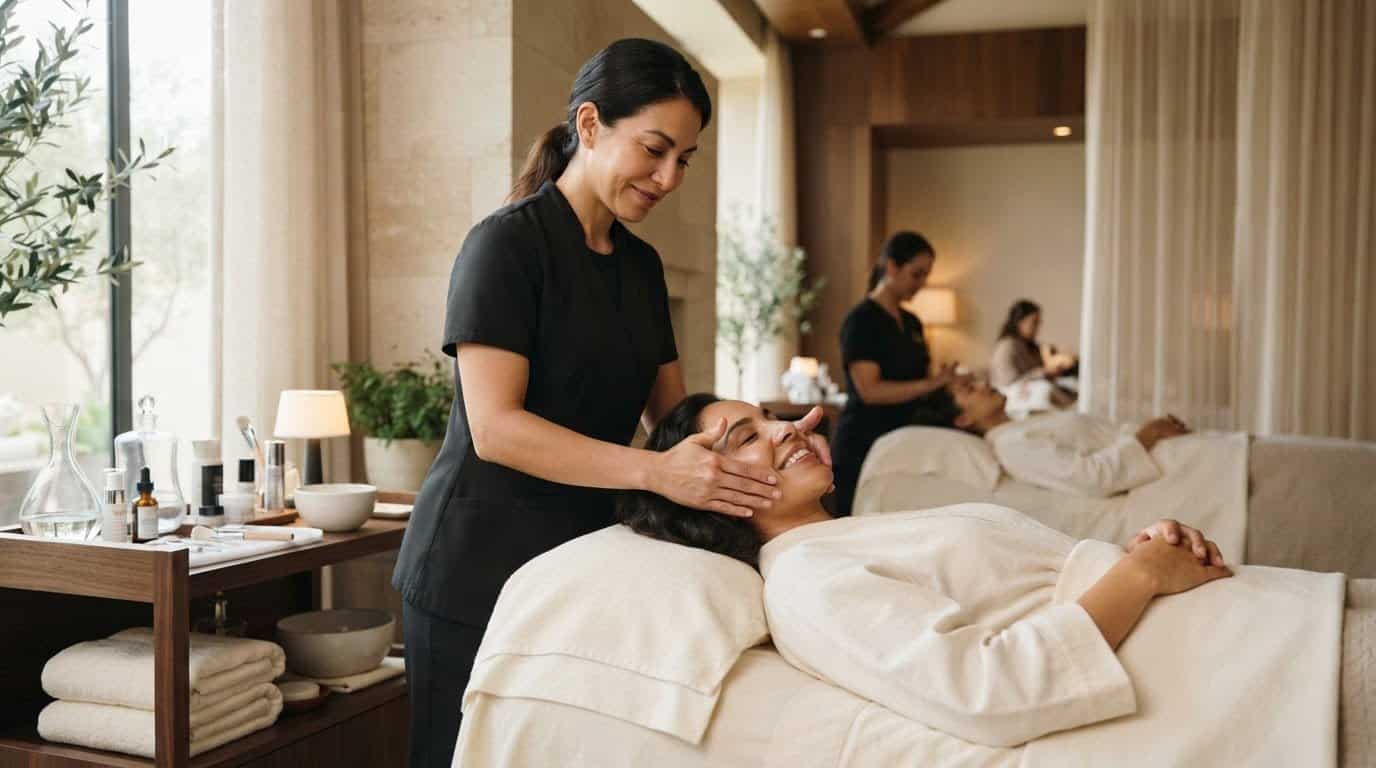
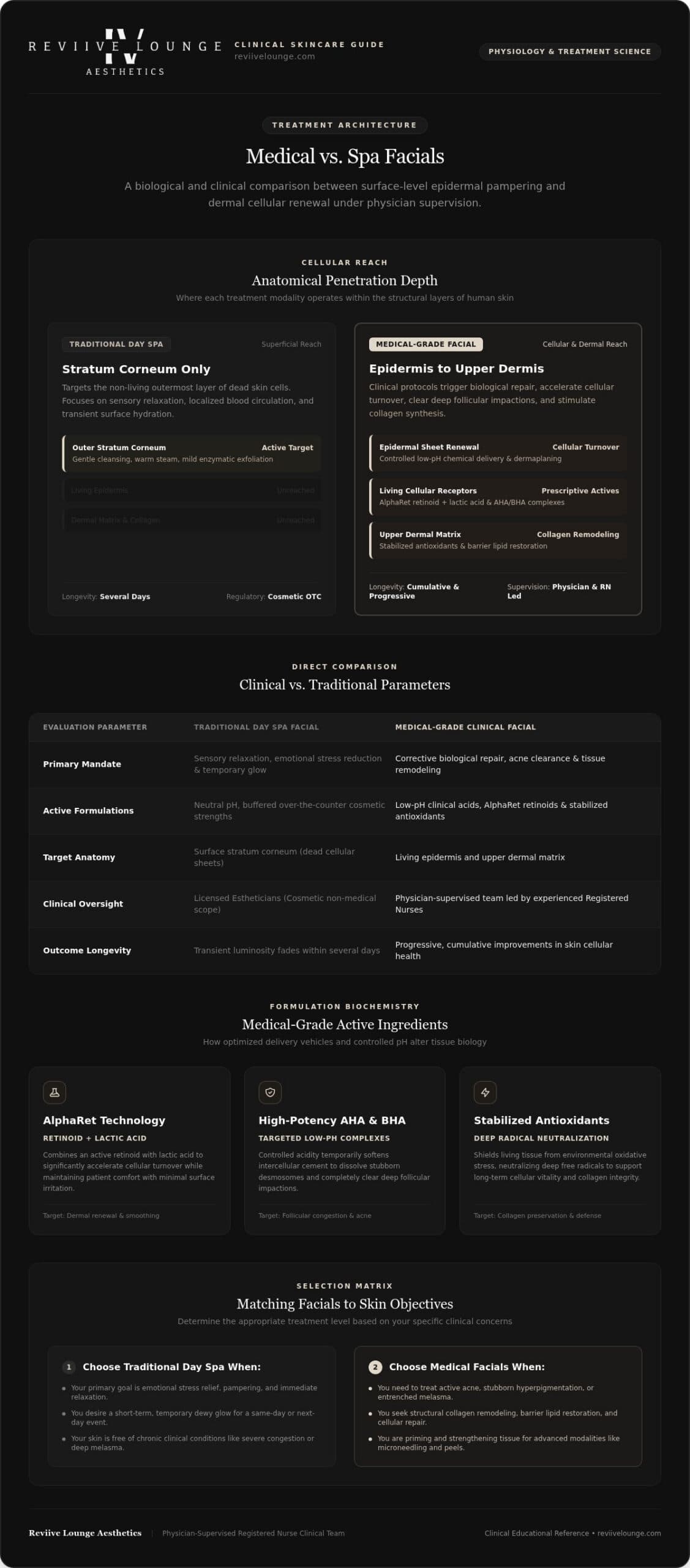
Understanding what is a facial in a conventional day spa setting starts with the stratum corneum, the outermost layer of dead skin cells. These appointments combine gentle cleansing, mild enzymatic exfoliation, warm steam, and soothing facial massage. They excel at reducing emotional stress, boosting localized blood circulation, and imparting a temporary, dewy glow.
Yet their therapeutic reach stops there. Day spa protocols offer temporary refreshment because their cosmetic formulations cannot legally penetrate living tissue:
- Epidermal focus: Ingredients sit on the surface to hydrate without altering underlying cell function.
- Cosmetic formulations: Products utilize buffered, over-the-counter strengths to ensure universal tolerance.
- Transient results: The resulting luminosity typically fades within several days as surface hydration dissipates.
The Clinical Purpose of a Medical-Grade Facial
Medical facials operate with a corrective mandate. Rather than merely polishing the surface, these treatments stimulate biological repair across the epidermis and into the upper dermis. Clinical protocols address active acne, accelerate collagen synthesis, break down stubborn hyperpigmentation, and restore compromised barrier lipids.
This deeper cellular impact requires formal clinical governance. In regulated environments, medical aesthetic treatments demand direct physician oversight, thorough patient health evaluations, and administration by licensed medical professionals such as registered nurses. Under clinical supervision, practitioners utilize low-pH chemical exfoliants, prescription actives, and advanced mechanical modalities. These tools actively remodel tissue, producing progressive, cumulative improvements in skin health that standard day spa treatments simply cannot match.
The Science Behind the Skin: Ingredients, Technology, and Penetration Depth
Achieving meaningful structural skin change requires chemistry that works beneath the surface. When comparing medical vs spa facials, the true differentiator lies in formulation biochemistry and therapeutic depth. While cosmetic products feel rich and smell delightful, their molecular architecture keeps them locked within the upper epidermal sheets.
Cosmetic vs. Medical-Grade Active Ingredients
Cosmetic products are regulated for broad consumer safety, meaning their active concentrations are deliberately constrained. These over-the-counter formulas maintain a neutral pH to prevent accidental irritation, which inadvertently limits their ability to penetrate deeper layers. Clinical-grade skincare, by contrast, utilizes optimized delivery vehicles, stabilized molecules, and lower pH levels. This controlled acidity temporarily softens intercellular cement, allowing active compounds to reach receptive cellular receptors.
Medical providers deploy prescriptive formulations that cosmetic counters cannot carry:
- AlphaRet technology: Combines an active retinoid with lactic acid to accelerate cellular turnover with minimal surface irritation.
- High-potency AHA and BHA complexes: Dissolve stubborn desmosomes at a targeted pH to clear follicular impactions.
- Stabilized antioxidants: Neutralize deep free radicals, supporting long-term cellular vitality and collagen integrity.
Clinical Technologies and Advanced Modalities
Professional clinical treatments combine advanced chemistry with physical modalities to maximize absorption. Dermaplaning uses a sterile surgical blade at a precise angle to clear dead keratinocytes and fine vellus hair. Removing this physical barrier allows subsequent clinical topicals to penetrate without obstruction. Regulatory bodies recognize this threshold between beauty maintenance and medical care; for instance, New York Department of State guidance categorizes therapies altering skin integrity as clinical procedures requiring specialized oversight.
Chemical exfoliation takes this renewal further. Targeted solutions such as VI Chemical Peels dissolve damaged cellular bonds, lifting hyperpigmentation and smoothing uneven texture. Clinical practitioners often pair these peels with red light therapy. Emitting targeted wavelengths into living tissue, red light boosts cellular energy production, calms inflammatory cascades, and speeds recovery.
Soothing additions like cold therapy ice globes and lymphatic drainage massage reduce post-treatment warmth while promoting circulation. Exploring a personalized medical skincare consultation helps determine the precise clinical strength and modalities your skin barrier safely accepts.
Medical Facials vs. Spa Facials: A Side-by-Side Comparison
Evaluating medical vs spa facials side by side clarifies why their outcomes diverge so sharply. While one pathway prioritizes sensory comfort and surface polish, the other targets structural correction under clinical standards. The matrix below breaks down the functional distinctions between both experiences.
| Feature | Traditional Day Spa Facial | Customized Medical Facial |
|---|---|---|
| Primary Objective | Sensory relaxation, surface hydration, temporary glow | Cellular turnover, acne clearing, pigment correction |
| Practitioner Credentials | Licensed esthetician (cosmetic scope) | Registered nurse (RN) or medical team with physician oversight |
| Formulation Strength | Over-the-counter strengths; neutral pH | Prescription-grade actives; optimized low pH |
| Treatment Depth | Superficial epidermis (stratum corneum) | Deep epidermis to upper dermal layers |
| Recovery & Downtime | Zero downtime; immediate makeup wear | Mild transient redness or light flaking (24-72 hours) |
| Longevity of Results | Short-term (3 to 7 days) | Progressive, cumulative structural improvement |
Provider Qualifications and Treatment Safety
Estheticians in day spas hold cosmetic licenses designed strictly for surface maintenance. They excel at pampering, yet state regulations prevent them from using clinical-strength acids or performing procedures that pierce the living layers of the skin.
Medical facials require a rigorous clinical infrastructure. Practices led by medical professionals, such as Nicole Cejudo, RN, BSN, operate under continuous physician direction. This clinical framework ensures that every protocol begins with a comprehensive skin assessment. Having registered nurses oversee deep chemical exfoliation or mechanical therapies significantly lowers the risk of burns, hyperpigmentation, or barrier disruption.
Treatment Experience, Sensation, and Recovery
The sensory journey differs substantially between settings. Spa facials revolve around tranquil soundscapes, aromatic botanical oils, and soothing warm compresses. The process feels relaxing from start to finish.
Clinical facials focus on physiological intent. Patients frequently experience active physical sensations, such as mild tingling or warmth during chemical exfoliation, followed by the crisp cooling of soothing ice globes or jelly masks. Post-treatment recovery also reflects this deeper activity. While a spa facial leaves you ready for dinner that evening, a clinical facial may cause brief erythema or micro-flaking over subsequent days as underlying cellular turnover accelerates.
Determining the Right Choice: Matching Facials to Your Skin Concerns
Finding clarity in the medical vs spa facials debate depends on your skin baseline, timeline, and aesthetic objectives. Neither modality is inherently superior; rather, each serves distinct therapeutic and sensory functions. Selecting the right option means aligning your immediate calendar with your long-term skincare expectations.
When a Day Spa Facial Is Ideal
Select a traditional day spa treatment when your priority is immediate decompression and sensory replenishment. If you have an event the same evening or the following morning, standard spa facials provide gentle surface hydration and a supple glow without risking post-treatment peeling or redness. They also suit individuals with naturally balanced, resilient skin who simply want maintenance rather than structural intervention. When stress reduction and surface nourishment are your primary goals, the relaxing day spa environment delivers exactly what you need.
When to Choose a Medical-Grade Facial
Turn to clinical care when you want to resolve persistent, underlying dermatological conditions. Stubborn concerns like cystic congestion, solar lentigines, and rough dermal texture won’t clear through superficial steaming and massage alone.
Medical facials utilize customized protocols to stimulate cellular repair in living tissue. For instance, incorporating specialized chemical peels for skin texture allows providers to loosen cohesive dead cells, softening stubborn scarring and evening out mottled pigment. Clinical practitioners also tailor these visits for mature skin requiring collagen stimulation or sensitive skin struggling with impaired barrier function.
Because these modalities alter tissue biology, safety requires a thorough clinical assessment. Skin type, medical history, barrier resilience, and current medications directly influence which formulations your skin can tolerate safely. If you’re ready to resolve chronic concerns with clinical precision, schedule an individualized consultation with our medical aesthetics team in Chino to design your bespoke care plan.
Building a Comprehensive Regimen: Beyond the Single Treatment Room
A single in-office visit provides a powerful catalyst for change, but lasting structural transformation happens over weeks of disciplined cellular support. When assessing medical vs spa facials, consider how clinical protocols fit into a complete continuum of care. Medical skincare bridges the gap between deep in-clinic procedures and daily home regimens, protecting barrier integrity while amplifying cellular repair.
Integrating Facials with Advanced Aesthetic Modalities
Clinical facials do more than correct existing damage; they actively condition the skin canvas for deeper interventions. Removing hyperkeratinized surface cells and decongesting follicular pathways allows advanced modalities to perform with greater precision and safety.
Consider how regular clinical conditioning elevates complementary aesthetic services:
- Regenerative microneedling: Clearing dead stratum corneum cells optimizes micro-channel creation during clinical treatments, allowing growth factors and signaling proteins to penetrate living tissue more effectively.
- Neuromodulators: Prepping the dermal surface with gentle clinical hydration enhances overall tissue health, complementing targeted toxin treatments that soften dynamic facial lines.
- Chemical resurfacing: Preparing skin with balanced topical actives ensures predictable, even absorption during medium-depth peels like the VI Peel.
The Reviive Lounge Approach to Clinical Skin Care in Chino
At Reviive Lounge in Chino, California, aesthetic care centers on patient education and physician-supervised protocols rather than transactional procedures. Founded by Nicole Cejudo, RN, BSN, our practice bridges rigorous medical science with an elevated, welcoming lounge setting. Every plan begins with a comprehensive consultation to evaluate your skin barrier, health history, and long-term goals.
We tailor each treatment by fusing potent actives with restorative modalities. A bespoke session might pair an AlphaRet peel and precision dermaplaning with the anti-inflammatory benefits of red light therapy, soothing ice globes, or specialized jelly masks. This balanced method delivers clinical correction without putting unnecessary stress on your barrier.
Serving Chino, Chino Hills, Eastvale, and the greater Inland Empire, our team acts as your dedicated guide in skin health. We take the guesswork out of clinical aesthetics, creating a safe, customized roadmap tailored strictly to your skin.
Choose the Right Path for Your Skin’s Long-Term Health
Balancing immediate pampering with lasting cellular correction is essential when deciding between medical vs spa facials. While day spa visits offer soothing stress relief and surface radiance, clinical treatments work beneath the stratum corneum to repair tissue architecture. Sustained improvements in tone, texture, and follicular clarity ultimately rely on targeted active ingredients guided by licensed clinical expertise.
At Reviive Lounge, clinical efficacy meets comforting wellness. Founded by Nicole Cejudo, RN, BSN, our physician-led practice in Chino designs customized treatment plans that pair medical-grade formulations with restorative therapies for clients across the Inland Empire. When you’re ready to invest in lasting skin health, schedule a personalized skin consultation at Reviive Lounge in Chino. Your skin deserves care that is as intentional and unique as you are.
Considering Hydrafacial in Chino, CA?
Reviive Lounge Aesthetics offers HydraFacial in Chino, CA. If you are comparing facial options, ask our team about how often you should get a HydraFacial, available enhancements, current pricing, and which treatment fits your skin goals. Your consultation is an opportunity to discuss your skincare routine and preferences before choosing a service.
Explore our facial services in Chino and contact Reviive Lounge Aesthetics to request an appointment.
Frequently Asked Questions
Is a medical facial painful compared to a traditional spa facial?
Medical facials are generally comfortable, though they involve active sensations rather than pure relaxation. While day spa facials focus on gentle massage, clinical treatments might produce mild prickling, tingling, or warmth during chemical exfoliation or dermaplaning. Medical practitioners often follow active steps with soothing tools like chilled ice globes and jelly masks. Because individual sensitivity varies, clinical providers adjust product strength during your consultation to maintain comfort throughout the session.
How often should you schedule a medical-grade facial treatment?
Most clients benefit from scheduling a medical-grade facial every four to six weeks to match the natural cellular turnover cycle of the skin. This cadence allows your skin to shed damaged superficial cells while giving newly generated tissue time to mature. When managing active concerns like hyperpigmentation or breakouts, providers may recommend closer intervals initially. Regular maintenance visits then follow to preserve dermal vitality and support long-term barrier health.
Can I get a medical facial if I have sensitive skin or rosacea?
Yes, you can receive a medical facial with sensitive skin or rosacea, provided the protocol is customized by a licensed clinical provider. Evaluating medical vs spa facials for reactive complexions highlights essential safety differences. Traditional spa treatments often rely on fragrant botanical oils that trigger flushing. Clinical providers select anti-inflammatory actives, gentle chemical exfoliants like lactic acid, and restorative modalities like red light therapy to soothe erythema without disrupting a fragile skin barrier.
What is the typical downtime after receiving a clinical facial?
Downtime after a clinical facial is typically minimal, often resolving within 24 to 72 hours depending on the modalities used. Many patients experience mild redness or slight tightness similar to a light sunburn immediately following an active protocol. Minor flaking may develop two to three days later as accelerated cellular renewal takes place. Clinicians provide clear post-care guidance, including sun protection and barrier-repair serums, to ensure your skin recovers smoothly and comfortably.
Will insurance cover the cost of a medical facial?
Health insurance policies almost never cover medical-grade facials because carriers classify them as elective cosmetic procedures. Even when a treatment addresses concerns like adult acne, uneven texture, or sun damage, insurers consider facial rejuvenation an aesthetic service. Patients at aesthetic practices pay directly per session. Some providers accept flexible payment options or health savings accounts depending on specific clinic policies, so it’s wise to confirm payment methods directly with your provider.
Can I combine a medical facial with Botox or dermal fillers on the same day?
Yes, you can often combine certain medical facials with neurotoxins or dermal fillers during the same appointment, provided the facial is completed first. Performing dermaplaning or mild chemical exfoliation before aesthetic injections clears the skin surface and preps tissue. Injecting neurotoxins or fillers prior to a facial is avoided, as deep facial pressure or massage could displace product. Your medical injector will assess treatment sequencing to protect your safety and deliver balanced results.
Why are medical-grade skincare products only sold by licensed aesthetic practices?
Medical-grade skincare products are sold exclusively through licensed aesthetic clinics because their higher concentrations of active ingredients require professional oversight. Unlike over-the-counter formulas, clinical topicals feature lower pH levels and advanced delivery systems that penetrate deeply into living tissue. This potency requires clinical evaluation to avoid irritation or barrier damage. At Reviive Lounge in Chino, serving clients throughout Rancho Cucamonga and Eastvale, medical consultations ensure these formulations match your unique skin tolerance.